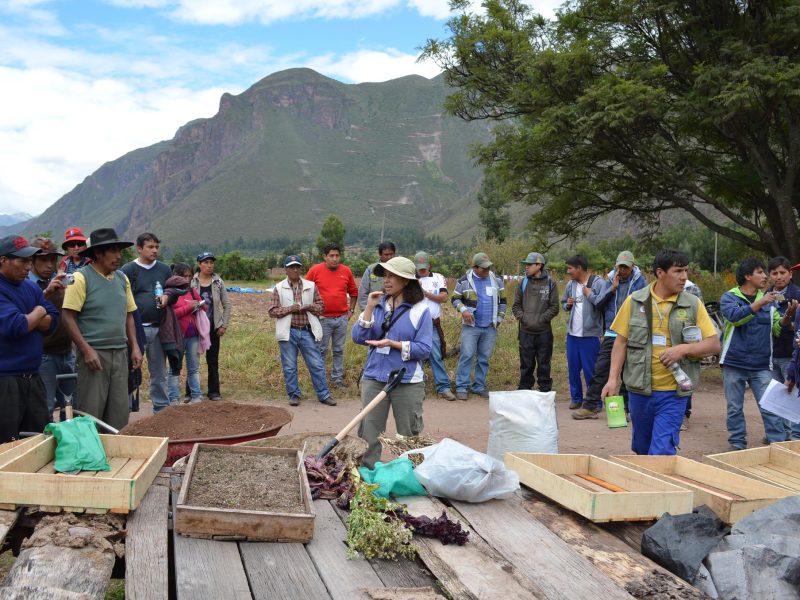
The post-holiday period to restart classes began today at the Politécnica Territorial de Mérida Kleber Ramírez University (UPTMKR) with an activity on sustainable agricultural value based on the 'Biointensivo" method taught to students in the Training Program in Agro-Food, as research teachers and also as agro-producers and institutional representatives.
Today, we welcomed Mr. Juan Manuel Martinez Valdez, President of the Mexican NGO El Mezquite -ECOPOL, who has maintained historical ties of collaboration with our Faculty of Agronomy - UNAH to promote the Biointensive Cultivation Method as a good practice that promotes the production of healthy and safe food.
In Mexico we are fortunate to have two Masters in the Biointensive Method, Marisol Tenorio and Agustín Medina; they will periodically share their valuable experiences with the crops, yields, pests, and other details of their garden; we hope this section will be of guidance and help to the Biointensive Growers who read this “Report on the Garden”; we also hope you will share your reports with us and we will be happy to publish them here.
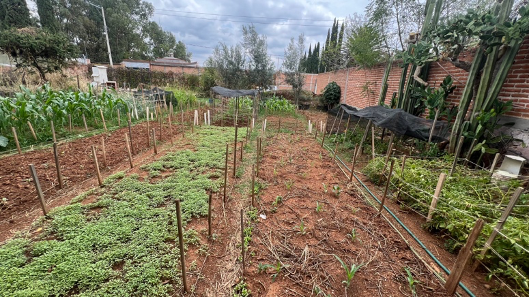
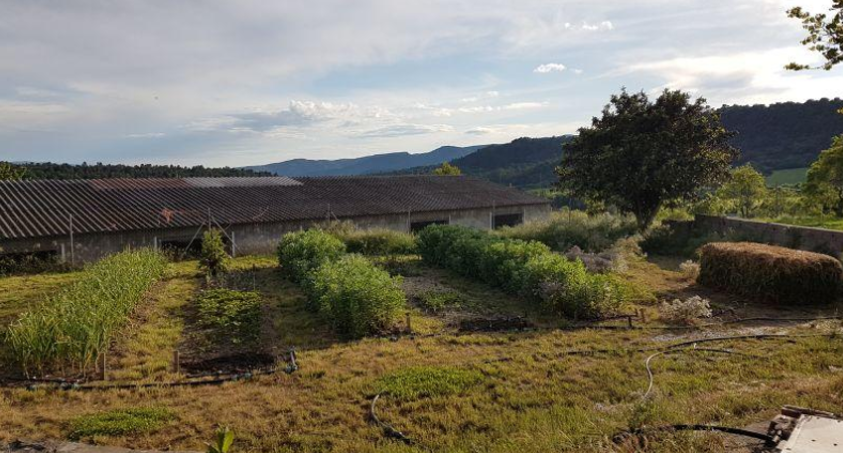
Years ago I had the privilege of meeting an exceptional woman, Liliane Spendeler, a French woman living in Spain who was part of the staff of “Amigos de la Terra España” and who decided to move to the Pyrenees to get closer to nature. Since then, her lifestyle has radically changed and she is now a prominent Biointensivist; below is her letter from last December and photos of her garden; notice the beautiful composts that Javi and Liliane make.
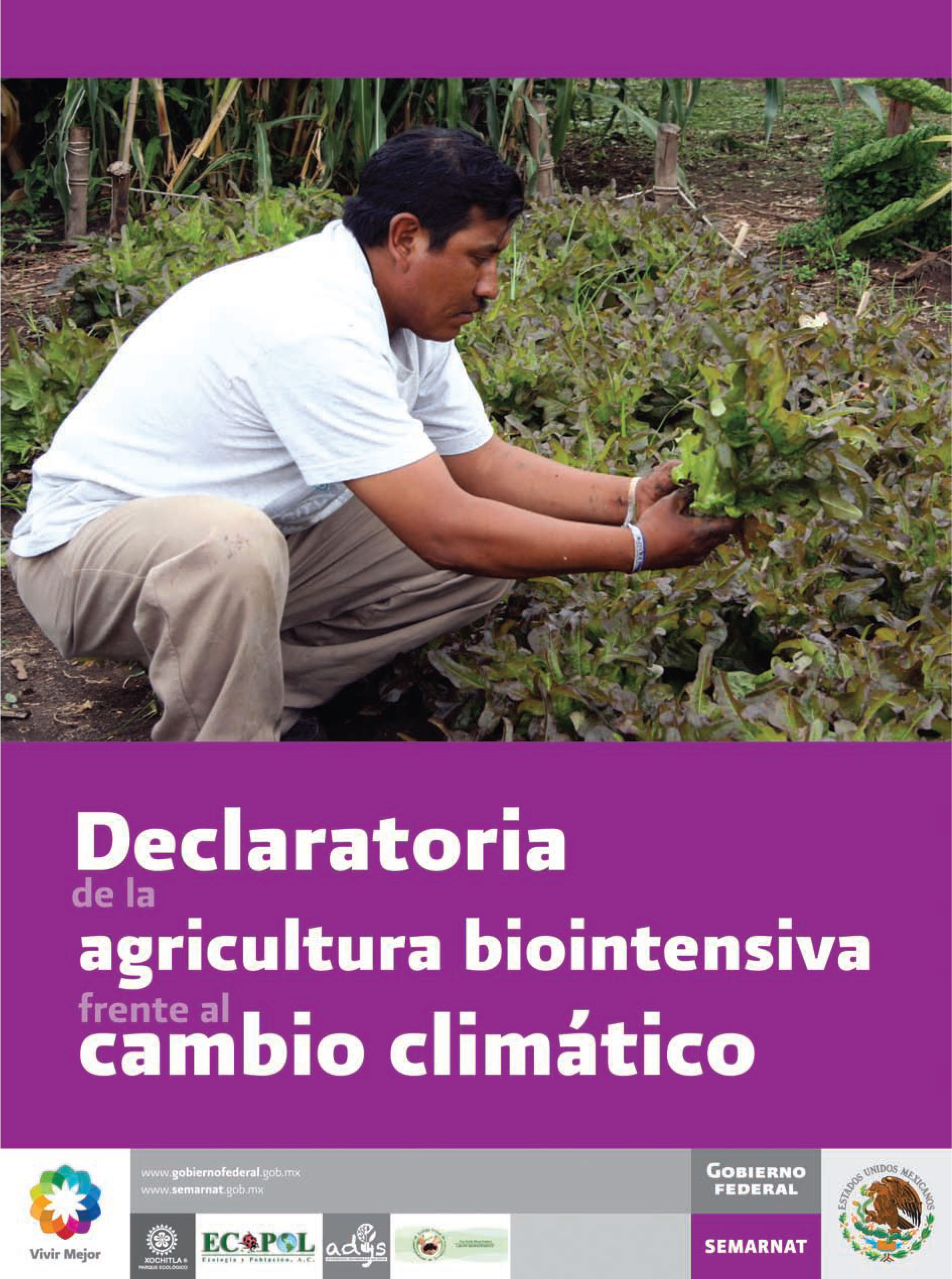
The participants in the Latin American meeting “Biointensive Agriculture in the Face of Climate Change” in which representatives from 19 countries of Latin America and the Caribbean as well as the United States, Russia and Kenya took part, gathered in Xochitla, State of Mexico during the days 3 to 9 May 2010, issued the following declaration, which, 15 years later, today, the World Environment Day, remains absolutely valid.
Organic Agriculture is a state of consciousness; it is not enough to know how to grow food without agrochemicals; it is just as or more important to have a clear awareness of how, why, and for what; the consequences of not having it clear are obvious, because humanity has never been so sick and acculturated as it is now.
Ecology Action, ECOPOL and El Mezquite have catalyzed projects worldwide through training, advisory services, internships, online schools, and publications. This consortium of NGOs is present in 152 countries worldwide and has an estimated 10 million Biointensivists who produce abundant food without agrochemicals, in small spaces, with the resources available in any rural community, while restoring and increasing the fertility of their soils. The principles, techniques, and practical solutions it uses come from the cultures that preceded us.
ECOPOL, EL MEZQUITE (C) 2025 | ALL RIGHTS RESERVED